.png)
What Is an EHR? In Social Care, It’s Your Single Source of Truth for Safer, Faster Decisions

Managing care notes across different systems wastes hours every day. You know that juggling medication updates in one place and care plans in another leaves too much to chance. An EHR for social care that acts as one trusted record changes everything: it cuts repeated admin, supports safer decisions, and keeps families and teams on the same page without extra hassle. Here’s how this digital tool can bring clarity and confidence to your daily work.
Understanding the Role of EHRs in Social Care
In the realm of care management, Electronic Health Records, or EHRs, are fundamentally reshaping how information is handled. They serve as a single source of truth that streamlines care coordination, ensuring smoother communication across teams. For those interested in how these systems transition from traditional methods, our article on Electronic Care Records provides a comprehensive look.
Enhancing Decision-Making with Real-Time Data
EHRs offer real-time care monitoring capabilities that empower care managers to make informed decisions swiftly. By integrating data seamlessly, these platforms reduce administrative burdens, allowing more time for direct care. For an in-depth exploration of how EHRs support decision-making, see our post on Beyond Google Scholar: Faster, Trusted Evidence with an NHS Assured Care Platform.
Benefits of EHRs for Care Providers
Care providers across the UK are discovering the benefits of adopting EHRs. These systems support GDPR compliant care records and streamline processes, ensuring that compliance with CQC standards is met efficiently. For a practical comparison of how EHRs reduce administrative tasks, consider our insights on Epic Systems Corporation: The real comparison for social care is admin removed—how Dom Portal delivers one connected workflow.
EHRs in social care are not just about record-keeping; they are about creating a transparent, efficient, and person-centred care environment. By adopting this technology, you empower your team to act on the right information at the right moment, fostering a more connected care experience.
Understanding EHR in Social Care
The world of social care is being transformed by Electronic Health Records (EHRs). These digital tools simplify record-keeping, align decision-making, and unify care plans into one accessible place.
Simplifying Digital Records
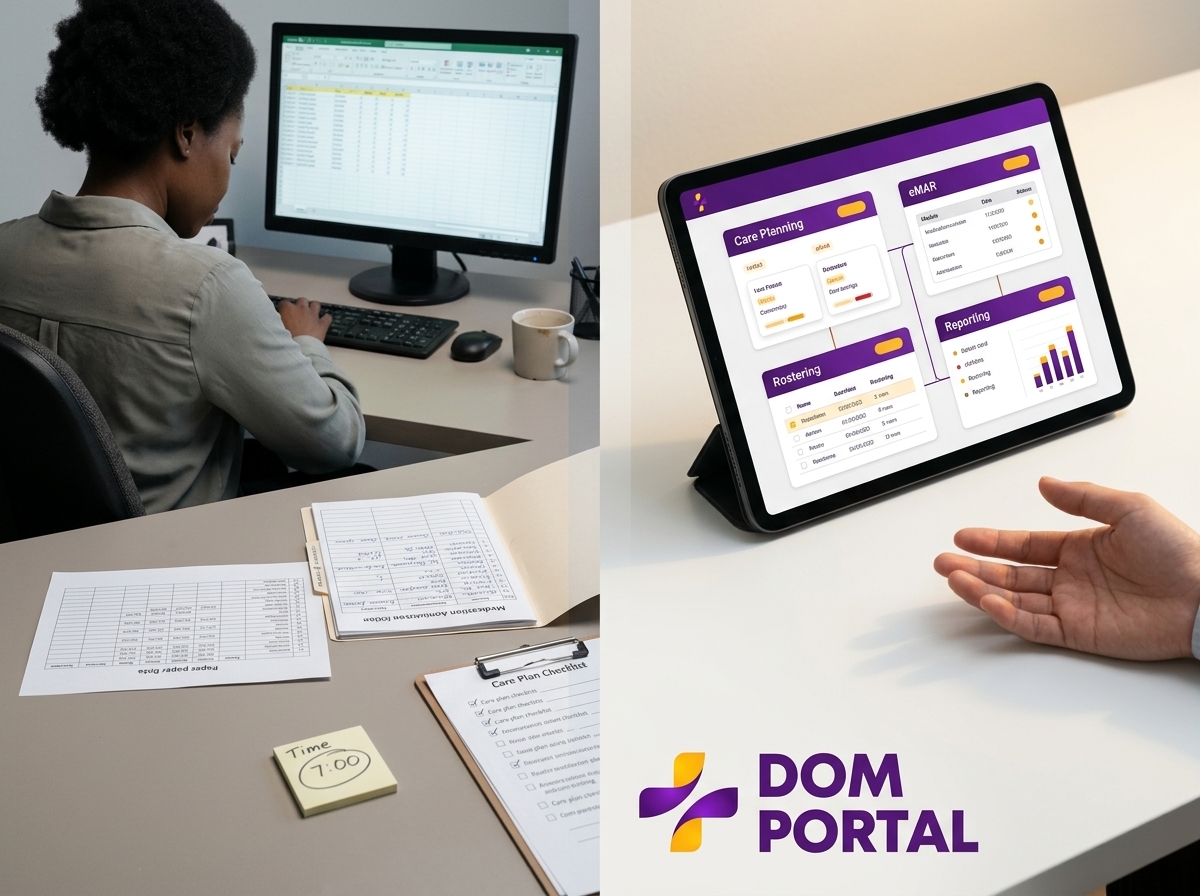
EHRs create a single source of truth by consolidating all care-related information. Instead of juggling multiple spreadsheets or paper notes, you have everything you need in one digital system. This consolidation reduces the risk of errors and saves time. Imagine not having to flip between different documents or systems to find the right information. With EHRs, the care team's focus shifts from document management to people management, ensuring more direct attention to those in care.
The Role of EHR in Care Decisions
EHRs are vital for making informed care decisions. Real-time updates mean that everyone, from caregivers to managers, has the latest information at their fingertips. For example, when medication needs to be adjusted, the change is instantly visible to all who need to know. This immediacy supports safer care practices and reduces the chances of miscommunication or oversight. With EHRs, decisions are based on accurate, updated data, helping you provide the best possible care.
Benefits of a Unified EHR System
Having one unified system for all care records brings numerous benefits. It streamlines communication, enhances compliance with regulations, and improves overall care quality. By reducing duplicate record-keeping, an EHR frees up staff time for more critical tasks, like direct care and patient interaction. When families can trust that their loved ones are receiving consistent, coordinated care, it builds confidence and satisfaction.
Enhancing Care Management Efficiency
EHRs are game-changers in enhancing care management efficiency. They cut down on paperwork and ensure everyone is working from the same playbook.
Reducing Administrative Burdens
Administrative tasks can overwhelm care providers, but EHRs significantly lighten this load. By automating routine tasks like scheduling, recording, and updating care plans, EHRs free up valuable time. Care teams can then focus on what truly matters: providing high-quality care. Consider the hours saved when data entry is minimized, and efficiency is maximized. This shift allows for more personal interactions and less time tied to a desk.
Ensuring Safer, Faster Decisions
EHRs enhance decision-making speed and safety. Instant access to complete patient histories and current care plans means decisions are based on the most accurate information available. For example, if a medication alert comes through, staff can react immediately, ensuring patient safety. This capability not only improves care quality but also boosts confidence in care decisions, knowing that they are grounded in real-time data.
Aligning Teams and Families
A well-implemented EHR system aligns care teams and families, ensuring everyone is on the same page. Families can access care updates and communicate preferences, fostering a collaborative care environment. This transparency builds trust and encourages family involvement, which is crucial for person-centred care. When everyone involved in the care process has access to the same information, misunderstandings decrease, and care delivery becomes more consistent.
Implementing EHR for Social Care
Transitioning to an EHR system can overcome fragmented information challenges, making daily operations smoother and more transparent.
Overcoming Fragmented Information
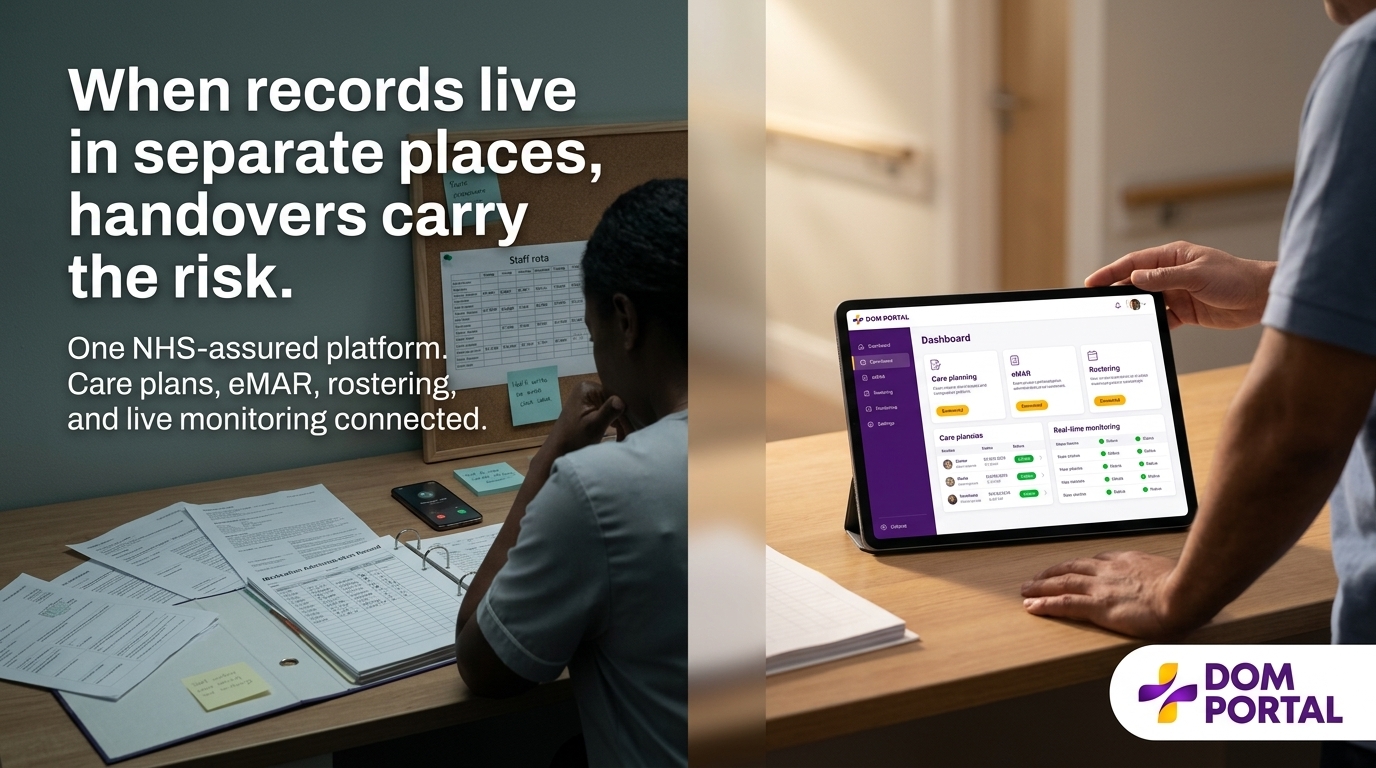
EHRs solve the problem of fragmented information by integrating all care data into one system. This integration eliminates the need for disparate systems and disconnected notes. When everything from medication records to family communications is in one place, care consistency improves. This change reduces the risk of missed or overlooked information, ensuring a higher standard of care.
A Day in the Life with EHR
Imagine a typical day with an EHR: a caregiver starts their shift with access to all necessary information on their device. No more scrambling for notes or double-checking paper files. They can focus on delivering care, knowing that updates they make are instantly shared across the team. The efficiency gained transforms daily operations, improving both staff satisfaction and patient outcomes.
Embracing Transparent Family Communication
EHRs encourage open communication with families, enhancing transparency and trust. A family member can log in to see updates on their loved one's care, track progress, and provide input. This direct involvement reassures families and keeps them engaged in the care process. By embracing this level of transparency, care providers can foster a more supportive and involved community around each person they assist.
Frequently Asked Questions
What is an EHR in social care?
An EHR in social care is a digital system that stores and manages health records and care plans. It acts as a unified platform for all care-related information, improving access and coordination.
How does an EHR improve care management?
EHRs enhance care management by automating routine tasks, providing real-time updates, and ensuring everyone involved in care has access to the same information. This streamlines processes and improves decision-making.
Can families access EHRs?
Yes, many EHR systems allow family access. This transparency helps families stay informed and involved in the care process, improving trust and communication between caregivers and family members.
What are the compliance benefits of using an EHR?
EHRs help meet compliance standards by maintaining accurate, up-to-date records and providing audit trails. This capability supports regulatory requirements and enhances accountability within care services.
How do EHRs ensure data security?
EHR systems are designed to be GDPR compliant, ensuring that all personal information is securely stored and accessed only by authorized individuals. This protects sensitive data and maintains privacy.
Comments